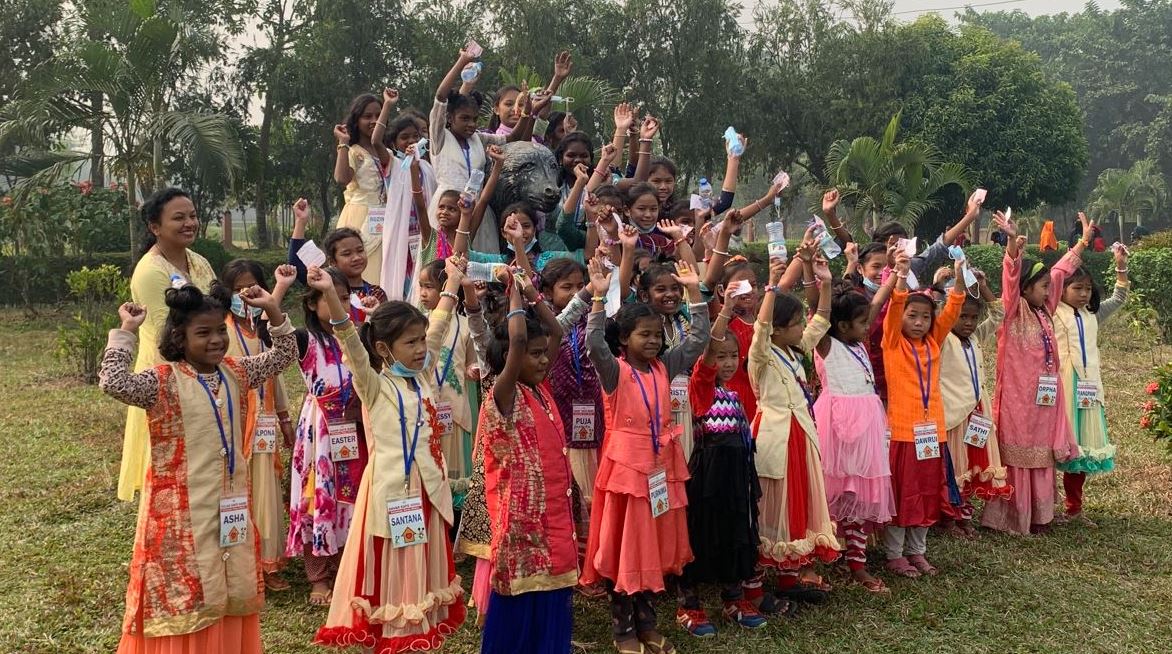
The Women’s
Rights Project is designed to address the persistent challenges faced by
women from ethnic and marginalized communities, particularly social exclusion,
limited access to basic services, and inadequate recognition of fundamental
rights. Implemented in Nilphamari, Joypurhat, and Bandarban districts,
the project covers 8 upazilas and is being carried out with the active
participation of 1,200 women beneficiaries. The initiative seeks to
promote human rights awareness, social inclusion, and equitable development
while ensuring that women’s voices are recognized within their families,
communities, and local governance structures.
The
core objective of the project is to strengthen awareness of women’s human
rights, emphasizing dignity, equality, and social justice. It addresses
critical gaps in access to education, healthcare, land and inheritance rights,
and civic participation that disproportionately affect women from ethnic
communities. By enhancing rights-based knowledge, the project empowers women to
claim and protect their entitlements.
Community-based
awareness sessions are conducted using simple and culturally sensitive
approaches to ensure accessibility and understanding among diverse ethnic
groups. These sessions focus on constitutional rights, minority protections,
women’s legal rights, land ownership and inheritance, and access to public
services. The participatory nature of the sessions encourages open discussion
and collective learning.
The
project places strong emphasis on capacity building and leadership
development. Training programs are organized for women leaders and youth
representatives to enhance leadership, advocacy, and community mobilization
skills. This enables women to engage confidently with local government
institutions and service providers.
Gender
equality and social inclusion are
central to the project design. Special attention is given to protecting women
from discrimination and violence, while promoting their participation in
decision-making processes at the household and community levels.
In
addition, community dialogue and networking sessions are facilitated
between ethnic women, local authorities, and service providers to build trust,
reduce discrimination, and promote inclusive governance.
Through empowerment, awareness, and leadership development, the Women’s Rights Project contributes to long-term social cohesion, reduced marginalization, and improved access to rights-based services, ensuring sustainable and inclusive development for ethnic women communities.