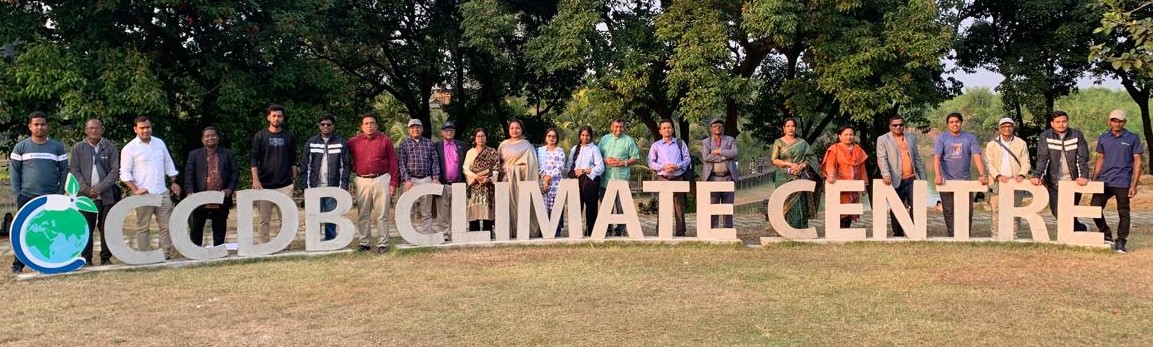
The Disaster Management and Climate
Change Project is designed to address the increasing vulnerabilities of
disaster-prone and climate-sensitive communities in Bangladesh. The project is
implemented by Bangladesh Social Service (BSS) with financial support
from Kerk in Actie, aiming to strengthen community resilience through
capacity building, disaster risk reduction, and sustainable environmental
practices. Its overarching objective is to enhance institutional and social
capacities for effective disaster risk management while establishing a
long-term foundation for climate change adaptation.
The project is implemented in the northern
region of Bangladesh, covering four upazilas of Dinajpur district, as well
as in two upazilas of Cox’s Bazar district, both of which are highly
vulnerable to climate-induced disasters. Under this initiative, 650 women
are directly engaged as beneficiaries, ensuring strong participation of
women in disaster preparedness, environmental management, and community
resilience-building efforts.
A key component of the project is disaster
preparedness and risk reduction training. Beneficiaries receive
comprehensive training on early warning systems, disaster risk identification,
safe shelter selection, and household-level contingency planning. These
trainings enable communities to anticipate hazards, prepare proactively, and
minimize losses during emergencies.
The project also emphasizes emergency
response and rescue operations. Community members are trained in first aid,
safe evacuation, rescue procedures, and volunteer coordination. This practical
training has significantly improved rapid response capacity and coordination at
the community level.
In addition, the project promotes climate
change adaptation and sustainable livelihoods, particularly in the northern
region. Participants receive training on climate-smart agriculture, efficient
water use, environmentally friendly practices, and sustainable natural resource
management to support resilient livelihoods.
Furthermore, women-led self-help
groups are formed to advance environmental conservation, waste management,
and social inclusion. Training on waste segregation, compost production,
recycling, and tree plantation initiatives enhances environmental awareness while
strengthening women’s leadership.
Overall, the project has successfully built inclusive, resilient, and self-reliant communities, significantly improving preparedness and adaptive capacity to face future climate-related challenges.