| Each winter in Bangladesh’s northern region arrives as a silent yet devastating crisis for the poor and marginalized communities. During last December and the current month of January, temperatures in districts such as Panchagarh, Dinajpur, Nilphamari, Kurigram, and Rangpur dropped to around 8–10 degrees Celsius, and in some areas even lower. Dense fog, icy winds, and prolonged absence of sunlight severely disrupted daily life.
The harsh cold has had the most profound impact on women, children, the elderly, and vulnerable populations. Cold-related illnesses—including pneumonia, respiratory distress, bronchitis, persistent coughs, fever, asthma, and diarrhea—spread rapidly. Due to the lack of adequate winter clothing and limited access to healthcare, many families were pushed into critical health risks.
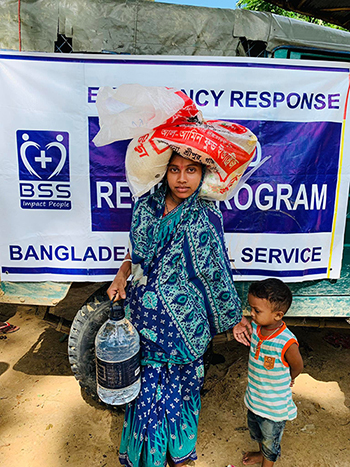
In response to this humanitarian emergency, BSS, through its Emergency Response Program, stepped forward with compassion and responsibility. To mitigate the severity of winter hardship, BSS distributed blankets to 1,400 marginalized and economically disadvantaged families across several northern districts.
This intervention not only provided essential physical warmth but also restored a sense of dignity, safety, and human solidarity. As a result, the incidence of cold-related illnesses—particularly among children and the elderly—has declined noticeably, enabling families to endure the harsh winter nights with greater comfort and resilience. BSS’s initiative stands as a compelling example of effective and compassionate humanitarian action. |